

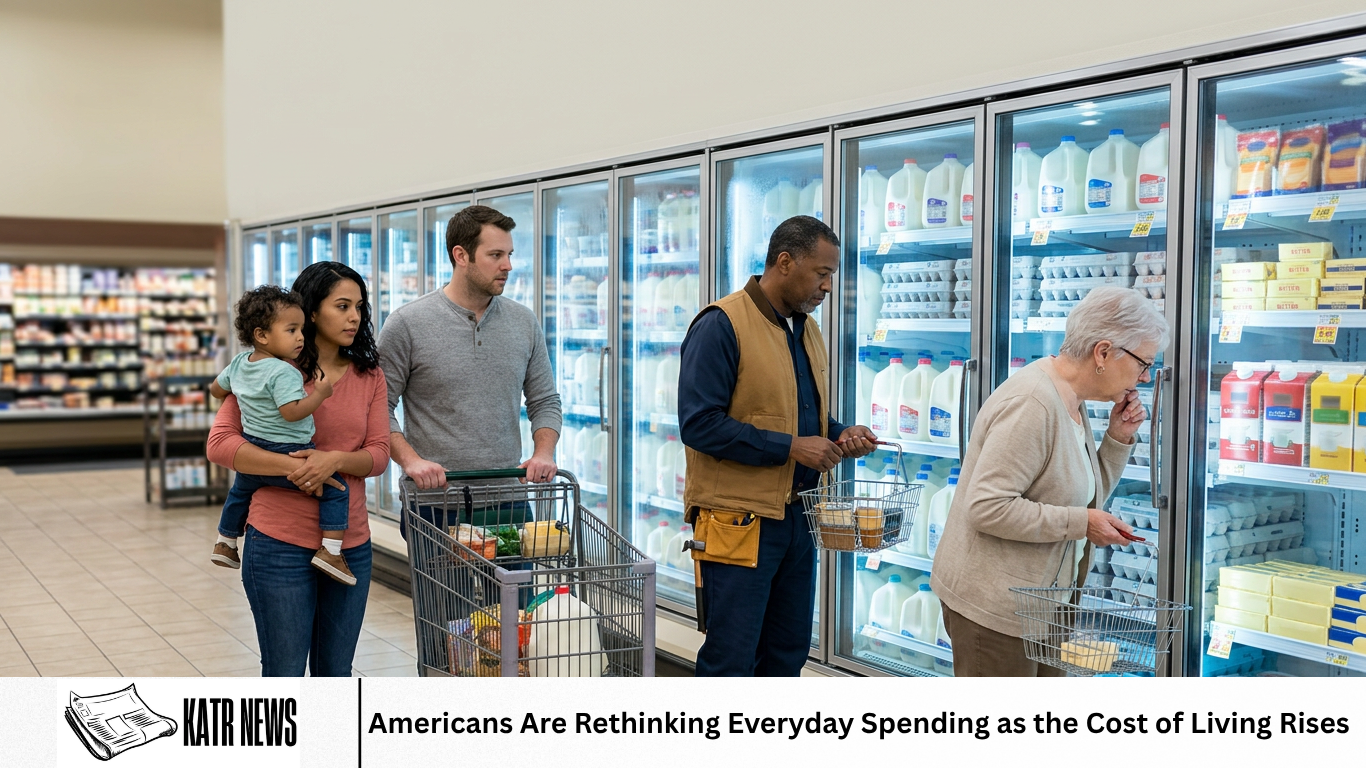
Americans are taking a closer look at their everyday spending as the cost of maintaining a normal lifestyle continues to put pressure on household budgets. From groceries and transportation to dining, entertainment, subscriptions, and household services, many expenses that once seemed manageable are now receiving more attention.
The change is not necessarily about people stopping all spending. Instead, many households are becoming more selective about where their money goes. Consumers are comparing prices, delaying nonessential purchases, searching for better deals, and deciding which services and experiences are actually worth the cost.
Everyday Expenses Are Getting More Attention
For many households, budgeting is no longer limited to major expenses such as rent, mortgages, or car payments. Smaller recurring costs are also receiving greater attention.
A weekly restaurant meal, several streaming subscriptions, frequent coffee purchases, delivery fees, and convenience services can add up over time. Individually, these expenses may not appear significant, but together they can take a noticeable share of a monthly budget.
Consumers are increasingly looking at these smaller purchases and asking whether they provide enough value.
This does not mean Americans are avoiding every convenience. Instead, the focus is shifting toward spending with a clearer purpose.
Grocery Shopping Is Becoming More Strategic
Food is one of the most important areas where households can notice changes in their monthly expenses.
Consumers may respond by comparing prices between stores, choosing store brands, buying products during promotions, or changing what they purchase. Some families may also plan meals more carefully to reduce food waste.
Brand loyalty can become less important when price differences become noticeable. A shopper who previously preferred a particular brand may decide that a lower-priced alternative offers similar quality.
These small changes can help households manage budgets without completely changing their lifestyles.
Dining Out Faces More Pressure
Restaurants and other food businesses can also feel the effects of changing consumer behavior.
When people are watching their budgets, eating at home may become more attractive. Instead of dining out several times a week, some consumers may reduce restaurant visits or choose less expensive options.
People may still want to enjoy restaurants, but they can become more selective about when they spend money on dining experiences.
A special occasion meal may remain a priority while casual meals and delivery orders are reduced.
Subscription Costs Are Under Review
Digital subscriptions have become a normal part of modern life. Consumers may pay for multiple streaming platforms, music services, cloud storage, fitness programs, gaming services, news products, and other memberships.
The problem is that these recurring charges can be easy to overlook.
As household budgets become tighter, consumers may review their bank statements and identify subscriptions they rarely use.
Some households may cancel services entirely, while others may rotate subscriptions depending on what they want to watch or use at a particular time.
This approach allows consumers to keep access to entertainment while reducing unnecessary recurring expenses.
Consumers Are Looking for Better Value
Price is important, but value is becoming just as important.
A lower price does not always represent the best choice if a product is unreliable or needs to be replaced quickly. Consumers may therefore compare quality, durability, customer reviews, warranties, and long-term usefulness before buying.
This can influence everything from electronics and clothing to household appliances and furniture.
The focus is increasingly moving from simply asking how much something costs to asking whether the purchase is worth the money.
Transportation Costs Influence Household Decisions
Transportation is another major part of everyday spending.
Fuel, insurance, maintenance, repairs, parking, and public transportation costs can all affect household budgets.
Some consumers may respond by reducing unnecessary driving, combining errands, using public transportation where available, or choosing more fuel-efficient vehicles.
For people considering a new car, monthly affordability can become more important than simply choosing the newest or most expensive model.
High ownership costs can make consumers think more carefully about vehicle size, fuel efficiency, financing, and maintenance.
Housing Costs Shape Spending Habits
Housing remains one of the largest expenses for many American households.
When rent, mortgage payments, utilities, insurance, repairs, and other housing-related costs take up a large portion of income, less money remains for discretionary spending.
This can have a wider impact on consumer behavior.
A household dealing with high housing costs may cut back on entertainment, travel, dining, shopping, or other optional expenses.
Housing costs can therefore influence spending decisions far beyond the monthly rent or mortgage payment itself.
Travel Plans Are Becoming More Selective
Travel remains an important goal for many people, but higher overall costs can change how consumers plan trips.
Instead of taking several expensive vacations, some households may choose one major trip and look for lower-cost options for other breaks.
Travelers may compare accommodation prices, book flights earlier, choose less expensive destinations, or shorten the length of a trip.
The desire to travel may remain strong, but consumers can become more focused on getting good value from their money.
Entertainment Spending Is Changing
Entertainment is another category where consumers have many choices.
Streaming platforms, gaming, concerts, sporting events, movies, and other activities compete for household spending.
When budgets become tighter, people may prioritize the entertainment options they use most.
Some consumers may also look for free or lower-cost alternatives, including local events, public spaces, libraries, outdoor activities, and community programs.
This does not necessarily mean people are giving up entertainment. Instead, they may be changing how they spend money on it.
Younger Consumers Face Different Challenges
Younger Americans can be particularly sensitive to rising everyday costs because many are balancing rent, student debt, transportation, food, and other expenses while building their careers.
Some may delay major purchases such as homes or new vehicles.
Others may focus more heavily on saving, reducing debt, or finding additional sources of income.
Social expectations can also influence spending. Consumers may feel pressure to maintain certain lifestyles because of what they see online.
As financial awareness grows, however, more people may become comfortable choosing affordability over appearances.
Social Media Can Influence Spending
Social media has created new opportunities for consumers to discover products, services, restaurants, travel destinations, and trends.
At the same time, constant exposure to lifestyle content can encourage spending.
Influencers and online advertising can make certain purchases appear necessary or normal even when they are not essential.
Consumers who are becoming more budget-conscious may therefore become more careful about distinguishing between genuine needs and purchases driven by trends.
This can lead to more thoughtful spending decisions.
Credit Card Spending Is Receiving More Attention
Credit cards provide convenience, rewards, and flexibility, but carrying balances can become expensive.
As consumers pay closer attention to household finances, some may focus more on reducing credit card debt and avoiding unnecessary interest charges.
Instead of using credit for routine purchases without considering the total cost, households may try to pay balances more quickly or limit discretionary spending.
This can change the way consumers think about larger purchases.
A product that appears affordable through monthly payments may look very different when the full cost of financing is considered.
Household Budgeting Is Becoming More Detailed
Budgeting tools and financial apps can make it easier for consumers to track spending.
People can categorize purchases, monitor recurring charges, and compare monthly expenses with income.
A more detailed budget can reveal spending patterns that are difficult to notice when purchases are made individually.
For example, a household may discover that several small convenience purchases add up to a significant monthly amount.
Once these patterns become visible, consumers have more information to decide where changes can be made.
Small Changes Can Have a Meaningful Impact
Reducing everyday spending does not always require major lifestyle changes.
Small adjustments can sometimes make a noticeable difference over several months.
Cooking at home more frequently, reviewing subscriptions, comparing insurance prices, reducing unused memberships, or planning shopping trips can help control expenses.
The goal is not necessarily to eliminate every enjoyable purchase.
Instead, households can focus on spending money intentionally and avoiding expenses that provide little value.
Businesses Are Adapting to More Careful Consumers
Changes in consumer behavior can also influence businesses.
Companies may respond by offering discounts, loyalty programs, smaller product sizes, flexible pricing, or lower-cost alternatives.
Restaurants may promote value meals, retailers may increase promotional activity, and subscription businesses may introduce different pricing tiers.
Competition can become stronger when consumers are less willing to spend without comparing alternatives.
Businesses that clearly communicate value may have an advantage when customers become more careful about their money.
The Meaning of Affordability Is Changing
Affordability is not the same for every household.
A purchase that is comfortable for one person may be difficult for another.
Income, housing costs, debt, family size, location, transportation needs, and financial goals all influence what people can realistically afford.
This means consumers are increasingly making spending decisions based on their own financial circumstances rather than general expectations.
Personal affordability can become more important than keeping up with broader lifestyle trends.
Saving Is Becoming a Bigger Priority
When everyday costs rise, saving money can become more difficult.
Some households may therefore look for opportunities to rebuild emergency funds or increase savings even if that means reducing discretionary purchases.
Having money available for unexpected expenses can provide greater financial stability.
Consumers may also focus on longer-term goals such as buying a home, paying off debt, preparing for retirement, or funding education.
These goals can encourage people to reconsider purchases that provide only short-term satisfaction.
Consumers Are Rethinking What They Really Need
One of the biggest changes in spending behavior is the distinction between needs and wants.
Modern consumers have access to more products and services than ever before. Convenience can make it easy to spend money frequently without thinking about the long-term effect.
Higher living costs can encourage people to pause and reconsider those habits.
A purchase may still be enjoyable, but consumers may ask whether it is necessary, useful, or worth delaying another financial goal.
This type of thinking can lead to more deliberate spending.
The Shift May Continue Even If Prices Stabilize
Consumer habits do not always return immediately to their previous patterns after financial pressure eases.
Once people become accustomed to comparing prices, tracking subscriptions, or reducing unnecessary purchases, those habits may continue.
Some consumers may discover that certain spending cuts do not significantly reduce their quality of life.
Others may continue prioritizing savings after realizing how quickly small changes can improve their financial position.
This means changing economic conditions can have lasting effects on consumer behavior.
Technology Is Helping Consumers Make Better Decisions
Technology is also playing a role in changing everyday spending.
Price comparison tools, budgeting apps, digital coupons, loyalty programs, online marketplaces, and financial tracking services make it easier for consumers to compare options.
People can research products before buying and monitor prices across different retailers.
This greater access to information gives consumers more power to make decisions based on value.
However, technology can also make shopping easier and encourage impulse purchases. The same tools that help consumers save money can also make it easier to spend.
A More Intentional Approach to Spending
The current shift in consumer behavior is not simply about cutting costs.
For many Americans, it is about becoming more intentional with money.
Instead of automatically purchasing products or services because they are convenient, consumers may think more carefully about how each expense fits into their broader financial goals.
This can create a healthier relationship with spending when consumers understand their priorities and make decisions based on them.
Frequently Asked Questions
Why are Americans changing their spending habits?
Americans are changing their spending habits because higher everyday costs can put pressure on household budgets and make consumers more careful about where their money goes.
Which expenses are consumers reviewing most closely?
Consumers are paying closer attention to groceries, dining, subscriptions, transportation, entertainment, travel, and other recurring household expenses.
Are Americans completely stopping discretionary spending?
Not necessarily. Many consumers are still spending on things they enjoy but are becoming more selective and looking for better value.
How can consumers reduce everyday expenses?
Consumers can review subscriptions, compare prices, plan purchases, reduce food waste, monitor recurring charges, and focus spending on products and services that provide real value.
Will these spending changes continue?
Some changes may continue even if financial conditions improve because consumers can develop new budgeting habits and become more comfortable with spending less on unnecessary purchases.
Conclusion
Americans are rethinking everyday spending as the cost of maintaining a normal lifestyle continues to place pressure on household budgets. Consumers are becoming more careful about groceries, dining, subscriptions, transportation, entertainment, travel, and other recurring expenses.
The change does not mean people are abandoning the things they enjoy. Instead, many are becoming more selective and looking for stronger value before spending their money.
