

The debate over ultra-processed foods is not only about ingredients. A fresh study reporting that nine in ten papers disputing the definition have industry ties has put research funding itself in the spotlight, with implications for labelling, guidance and consumer trust.
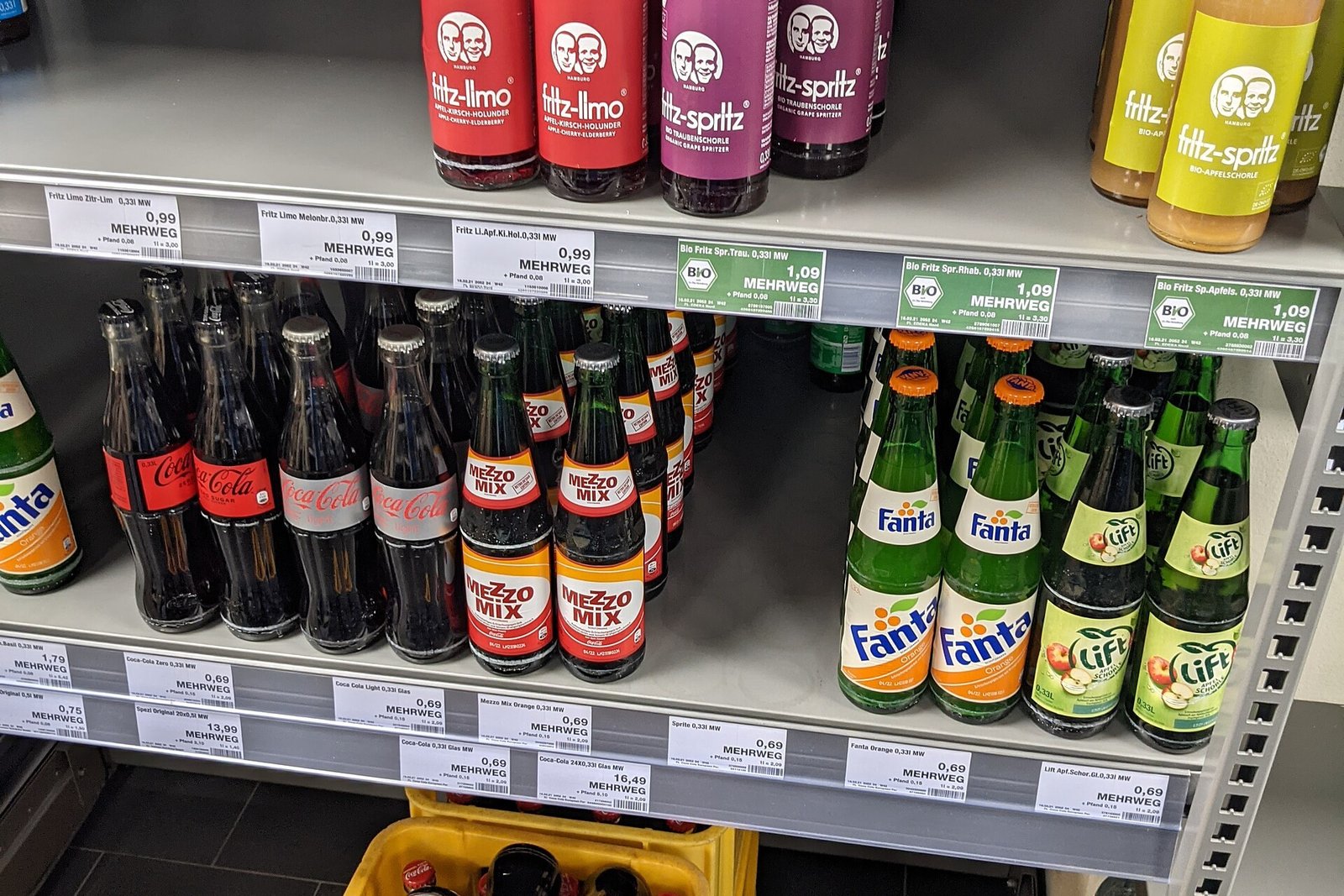
Ultra-processed foods are most commonly described using the NOVA classification, a system developed by researchers in Brazil that groups foods by the extent and purpose of processing. NOVA’s fourth group covers industrial formulations such as many soft drinks, packaged snacks, reconstituted meats and ready meals. Supporters say the category captures patterns that nutrient lists alone can miss. Critics say it can group together foods with very different nutritional profiles and may confuse shoppers if it is used carelessly. Context from the Harvard T.H. Chan School of Public Health helps explain how classification debates feed into wider dietary guidance.
What the study examined
Rather than testing whether any particular food is harmful, the new work examined the literature that disputes the definition itself and checked those papers for declared industry relationships, funding sources and author affiliations. Finding ties in around ninety percent of them is a striking pattern, but it needs careful reading. A tie can range from direct company funding to consultancy or employment, and its presence does not by itself prove that a paper’s conclusions are wrong. Our earlier health coverage here looks at how readers can assess competing claims in nutrition reporting.
The more useful question, specialists say, is whether disclosures are complete and consistent. Journals vary in how they collect and display conflicts of interest, and older papers may follow weaker standards. If policymakers cannot easily see who supported a study, public debate becomes harder to navigate and trust can fall even where the underlying science is sound. Transparency, in other words, protects credible industry-funded research as well as independent work.
Why the definition matters
Definitions decide what gets counted, warned about and, in some countries, labelled. If ultra-processed is defined broadly, a large share of a typical shopping basket falls inside it; if narrowly, fewer products are affected and companies face different reformulation pressures. The U.S. Food and Drug Administration and national regulators have to balance clarity for consumers against scientific precision, because a label that people ignore or misunderstand helps nobody.
For food makers, the stakes are commercial as well as scientific. A classification can influence retail placement, advertising, taxation debates and product development. That is a legitimate reason for companies to fund research and publish arguments, provided the relationship is open. Problems arise when funding is hidden, when selective results are promoted as settled science, or when genuine uncertainty is presented as proof that no action is ever justified.
What consumers should take from it
For shoppers, the study is not a instruction to fear every packaged food or to treat processing as the only thing that matters. Nutrition experts generally agree on broader patterns: diets built mainly around vegetables, fruits, whole grains, legumes and minimally processed staples, with limited added sugar, salt and saturated fat, are consistently associated with better outcomes in observational research. Individual products still differ, and medical advice should come from qualified professionals who know a person’s circumstances. See also our related reading here.
A practical approach is to read labels for ingredients, fibre, sugar, sodium and portion size, and to notice how a food is marketed. Claims of a health halo deserve the same scepticism whoever makes them. The new study’s clearest lesson may be about reading research itself: check who wrote a paper, who paid for it, whether the journal required disclosure, and whether independent groups have reached similar conclusions. That habit is valuable far beyond the ultra-processed debate.
What happens next
Expect journals, universities and funders to face renewed pressure for standardised, machine-readable conflict declarations, and for labelling consultations to publish the evidence and interests behind submissions. Researchers who dispute NOVA will continue to make technical arguments about classification, energy density and food fortification, and those arguments should be heard on their merits. The contribution of this study is to make the context visible. Science advances fastest when arguments are judged openly, with funding on the table and conclusions stated no more strongly than the evidence allows.
